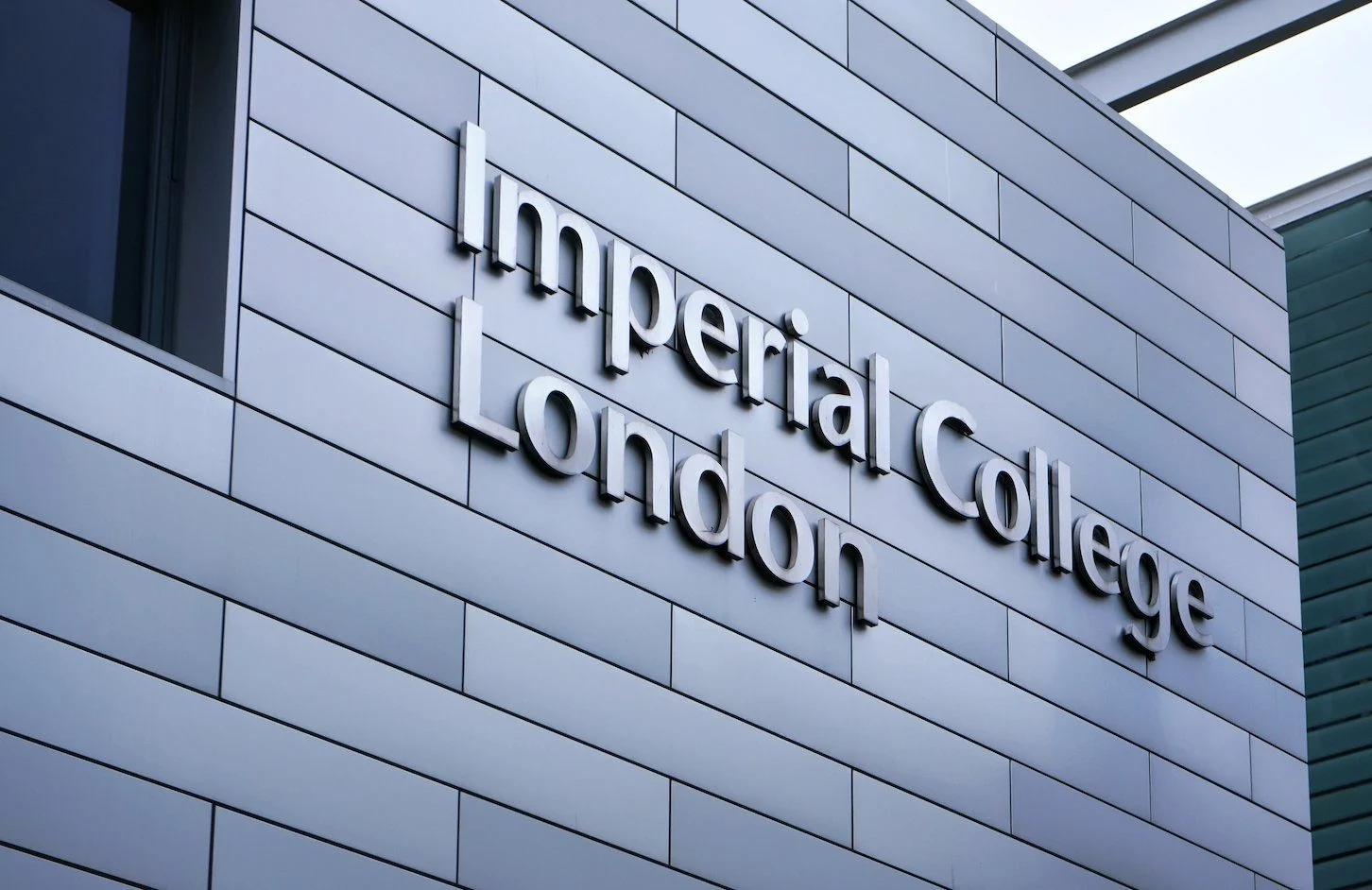
Imperial College London
Imperial College London is one of the world’s most prestigious universities, renowned for its cutting-edge research, world-class education, and strong focus on science, engineering, medicine, and business. Consistently ranked among the top 10 universities globally, Imperial attracts the brightest minds from around the world, fostering innovation and breakthroughs that shape the future.
This article explores Imperial College London’s history, academic excellence, research impact, campus life, and career opportunities—providing a comprehensive guide for prospective students, researchers, and anyone interested in this elite institution.
History and Reputation of Imperial College London
Founded in 1907, Imperial College London was established through the merger of the Royal College of Science, Royal School of Mines, and City & Guilds College. It became an independent institution in 2007, celebrating its centenary by reinforcing its commitment to scientific advancement and technological innovation.
Imperial’s reputation is built on:
-
Top global rankings (QS, THE, ARWU)
-
Nobel Prize-winning alumni and faculty (14 Nobel laureates)
-
Strong industry connections (partnerships with Google, Rolls-Royce, NHS, and more)
-
A focus on STEM (Science, Technology, Engineering, and Medicine)
Its motto, “Scientia imperii decus et tutamen” (“Scientific knowledge, the crowning glory and the safeguard of the empire”), reflects its mission to drive progress through research and education.
Academic Excellence: World-Class Programs
Imperial College London offers a wide range of undergraduate, postgraduate, and PhD programs, with a strong emphasis on:
1. Engineering
-
Aeronautics
-
Civil & Environmental Engineering
-
Computing (Artificial Intelligence, Machine Learning)
-
Electrical & Electronic Engineering
-
Mechanical Engineering
2. Natural Sciences
-
Physics
-
Chemistry
-
Mathematics
-
Life Sciences
3. Medicine & Healthcare
-
MBBS/BSc Medicine
-
Biomedical Engineering
-
Public Health
-
Global Health Innovation
4. Business (Imperial College Business School)
-
MBA (Ranked among the best in Europe)
-
Finance
-
Entrepreneurship & Innovation
Imperial’s teaching is research-led, meaning students learn from professors who are pioneers in their fields.
Groundbreaking Research and Innovation
Imperial is a powerhouse of research, contributing to major scientific and technological advancements, including:
-
COVID-19 Response: Imperial researchers played a key role in pandemic modeling and vaccine development.
-
Climate Change & Sustainability: Leading projects in renewable energy and carbon reduction.
-
AI & Robotics: Cutting-edge work in machine learning and autonomous systems.
-
Healthcare Breakthroughs: Pioneering cancer research, genomics, and medical robotics.
The university collaborates with NASA, CERN, and leading pharmaceutical companies, ensuring real-world impact.
Campus Life and Student Experience
Imperial’s main campus is located in South Kensington, London—one of the most vibrant and culturally rich areas in the world. Students enjoy:
1. State-of-the-Art Facilities
-
Huxley Building (Engineering)
-
Sir Alexander Fleming Building (Medicine)
-
Data Science Institute
-
White City Campus (Innovation Hub)
2. Student Societies & Activities
-
300+ clubs and societies (Robotics Society, Finance Club, AI Society)
-
Entrepreneurship programs (Imperial Enterprise Lab)
-
Sports teams (Rugby, Rowing, Football)
3. London Advantage
-
Proximity to tech startups, financial hubs, and research centers
-
Access to museums (Science Museum, Natural History Museum)
-
Vibrant nightlife and cultural scene
Career Prospects and Industry Connections
Imperial graduates are highly sought after by top employers, with 94% employed or in further study within six months (2023 data). Key career advantages include:
-
Strong industry links (Google, Goldman Sachs, Pfizer, NHS)
-
Internship and placement opportunities
-
Imperial’s Careers Service (CV workshops, networking events)
-
Entrepreneurial support (Startup incubators, funding schemes)
Admissions: How to Get Into Imperial College London
Imperial is highly competitive, with acceptance rates around 13%. Key admission tips:
1. Academic Requirements
-
A-levels: AAA – A*AA (STEM subjects preferred)
-
IB: 38-42 points
-
SAT/ACT (for US applicants): High scores required
2. Personal Statement & Interviews
-
Show passion for your subject
-
Highlight research experience, projects, or internships
3. English Proficiency (IELTS/TOEFL)
-
Minimum IELTS 6.5-7.0 (varies by program)
Conclusion: Why Choose Imperial College London?
Imperial College London stands out as a global leader in science, engineering, and medicine, offering:
✅ World-class education & research
✅ Strong industry connections & career support
✅ A dynamic campus in the heart of London
✅ A network of influential alumni
For students and researchers aiming to make an impact in STEM, business, or healthcare, Imperial provides the perfect environment to thrive.
FAQs About Imperial College London
1. Is Imperial College London part of the University of London?
No, Imperial became independent in 2007 but maintains collaborations with other London universities.
2. What is Imperial College best known for?
Engineering, Medicine, Artificial Intelligence, and Business.
3. How competitive is admission to Imperial?
Extremely competitive—average entry requirements are among the highest in the UK.
4. Does Imperial offer scholarships?
Yes, including President’s Scholarships and industry-funded awards.
5. What is student life like at Imperial?
Diverse, academically rigorous, with strong extracurricular opportunities.
Final Thoughts
Imperial College London is more than just a university—it’s a launchpad for future leaders, innovators, and pioneers. Whether you’re an aspiring engineer, doctor, data scientist, or entrepreneur, Imperial provides the resources, network, and global reputation to help you succeed.
Interested in applying? Visit Imperial’s official website for the latest admissions details and scholarship opportunities!