Princeton University
Princeton University, one of the world’s most prestigious Ivy League institutions, has long been synonymous with academic excellence, groundbreaking research, and influential leadership. Founded in 1746, Princeton has shaped the minds of Nobel laureates, U.S. presidents, and global innovators. This article explores Princeton’s history, academic strengths, campus life, notable alumni, and why it remains a top choice for students worldwide.
A Rich Historical Legacy
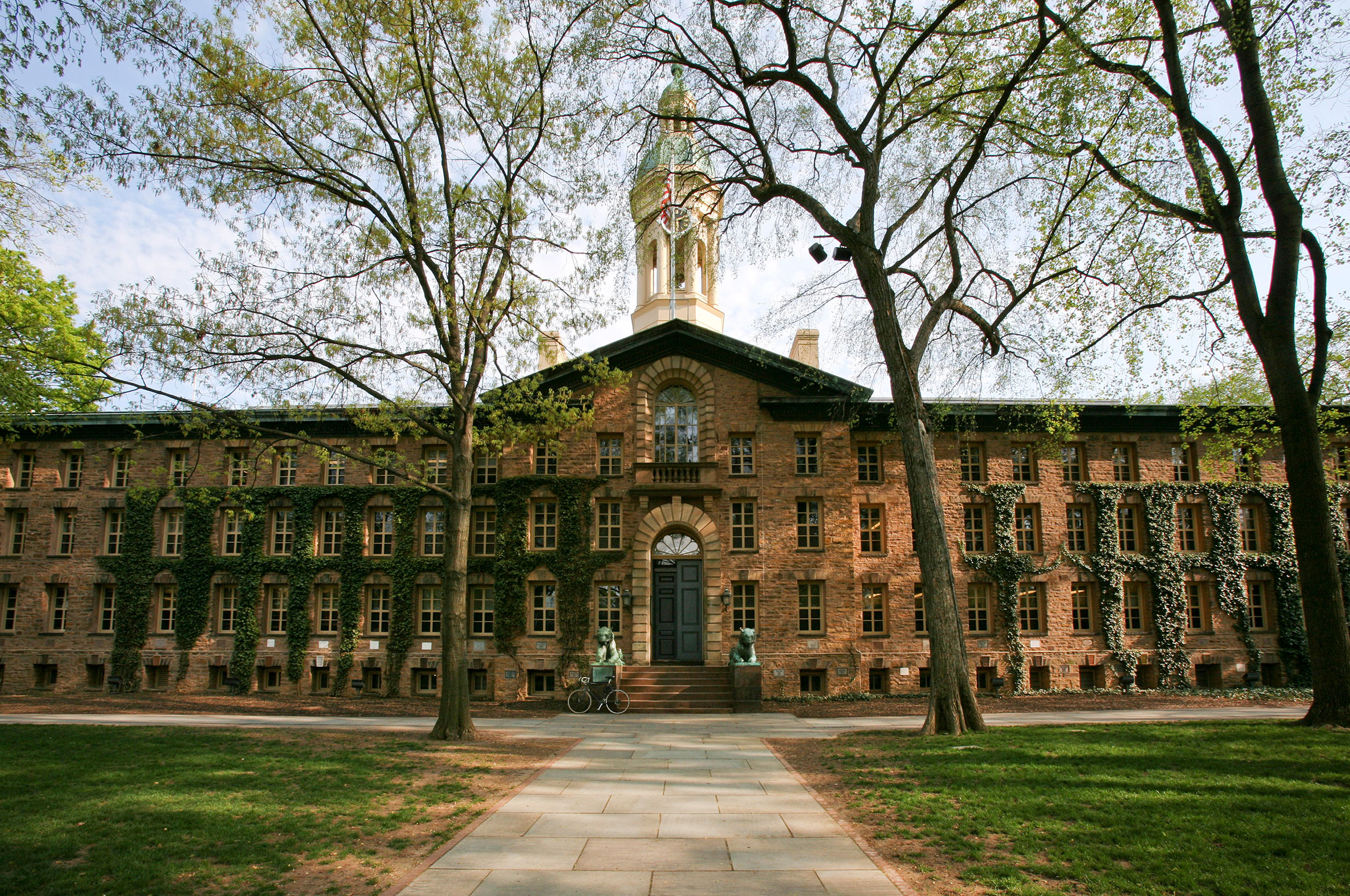
Princeton University, originally known as the College of New Jersey, was established in 1746 in Elizabeth, New Jersey, before relocating to Princeton in 1756. It is the fourth-oldest college in the United States and played a crucial role during the American Revolution. Nassau Hall, the university’s oldest building, briefly served as the U.S. Capitol in 1783.
Princeton transitioned from a college to a university in 1896, expanding its academic offerings and research capabilities. Its motto, “Dei sub numine viget” (“Under God’s power she flourishes”), reflects its commitment to intellectual and moral growth.
Academic Excellence and Research Prowess
Princeton is renowned for its rigorous academic programs, distinguished faculty, and emphasis on undergraduate research. Unlike many Ivy League schools, Princeton focuses primarily on undergraduate education while maintaining world-class graduate programs.
Top-Ranked Programs
-
Engineering & Applied Sciences – Known for cutting-edge research in AI, robotics, and sustainable energy.
-
Economics & Public Policy – A powerhouse for future economists, policymakers, and Nobel Prize winners.
-
Humanities & Social Sciences – Strong programs in history, philosophy, and political science.
-
Natural Sciences – Leading research in physics, astrophysics, and molecular biology.
Princeton’s low student-to-faculty ratio (5:1) ensures personalized mentorship, and its need-blind admission policy ensures accessibility for all qualified students.
The Princeton Campus: A Blend of Tradition and Modernity
Princeton’s 600-acre campus is a mix of Gothic architecture, lush greenery, and state-of-the-art facilities. Key landmarks include:
-
Nassau Hall – The historic heart of the university.
-
Firestone Library – One of the largest university libraries in the world.
-
Lewis Center for the Arts – A hub for creativity and performance.
-
Princeton Plasma Physics Laboratory – A leader in fusion energy research.
The campus fosters a tight-knit community with residential colleges, dining halls, and cultural centers that enhance student life.
Student Life: Beyond the Classroom
Princeton offers a vibrant student experience with over 300 student organizations, including:
-
The Daily Princetonian – The student-run newspaper.
-
Princeton Tigers – NCAA Division I athletics with a strong rivalry against Harvard and Yale.
-
Eating Clubs – Unique social organizations similar to fraternities/sororities.
Traditions like Princeton Reunions, Holder Howl, and Dean’s Date create a strong sense of community.
Notable Alumni: Leaders Who Changed the World
Princeton’s alumni network includes some of the most influential figures in history:
-
U.S. Presidents – James Madison and Woodrow Wilson.
-
Nobel Laureates – Richard Feynman (Physics), Toni Morrison (Literature).
-
Tech & Business Leaders – Jeff Bezos (Amazon), Eric Schmidt (Google).
-
Academics & Thinkers – Albert Einstein (Former Faculty), John Nash (Mathematician).
Why Princeton Stands Out in Global Rankings
Princeton consistently ranks among the top 10 universities worldwide (QS, THE, U.S. News) due to:
-
Undergraduate Focus – Unlike Harvard or MIT, Princeton emphasizes undergraduate teaching.
-
Generous Financial Aid – 100% of demonstrated need met with no loans.
-
Research Opportunities – Students work alongside leading scholars.
-
Global Impact – Contributions to public policy, science, and humanities.
How to Get Into Princeton: Admissions Insights
Princeton’s acceptance rate is around 4%, making it highly selective. Key admission factors include:
-
Academic Excellence – Top grades, rigorous coursework (AP/IB).
-
Standardized Test Scores – SAT (~1500+) or ACT (~34+).
-
Extracurricular Leadership – Demonstrated passion and impact.
-
Essays & Recommendations – Personal storytelling and strong endorsements.
Conclusion: Why Princeton Remains a Dream University
Princeton University’s blend of history, academic rigor, research opportunities, and vibrant student life makes it a top choice for aspiring leaders. Whether you’re drawn to its Nobel-winning faculty, Gothic architecture, or influential alumni network, Princeton continues to shape the future of education and innovation.
For students aiming for excellence, Princeton isn’t just a university—it’s a legacy.