University of Oxford
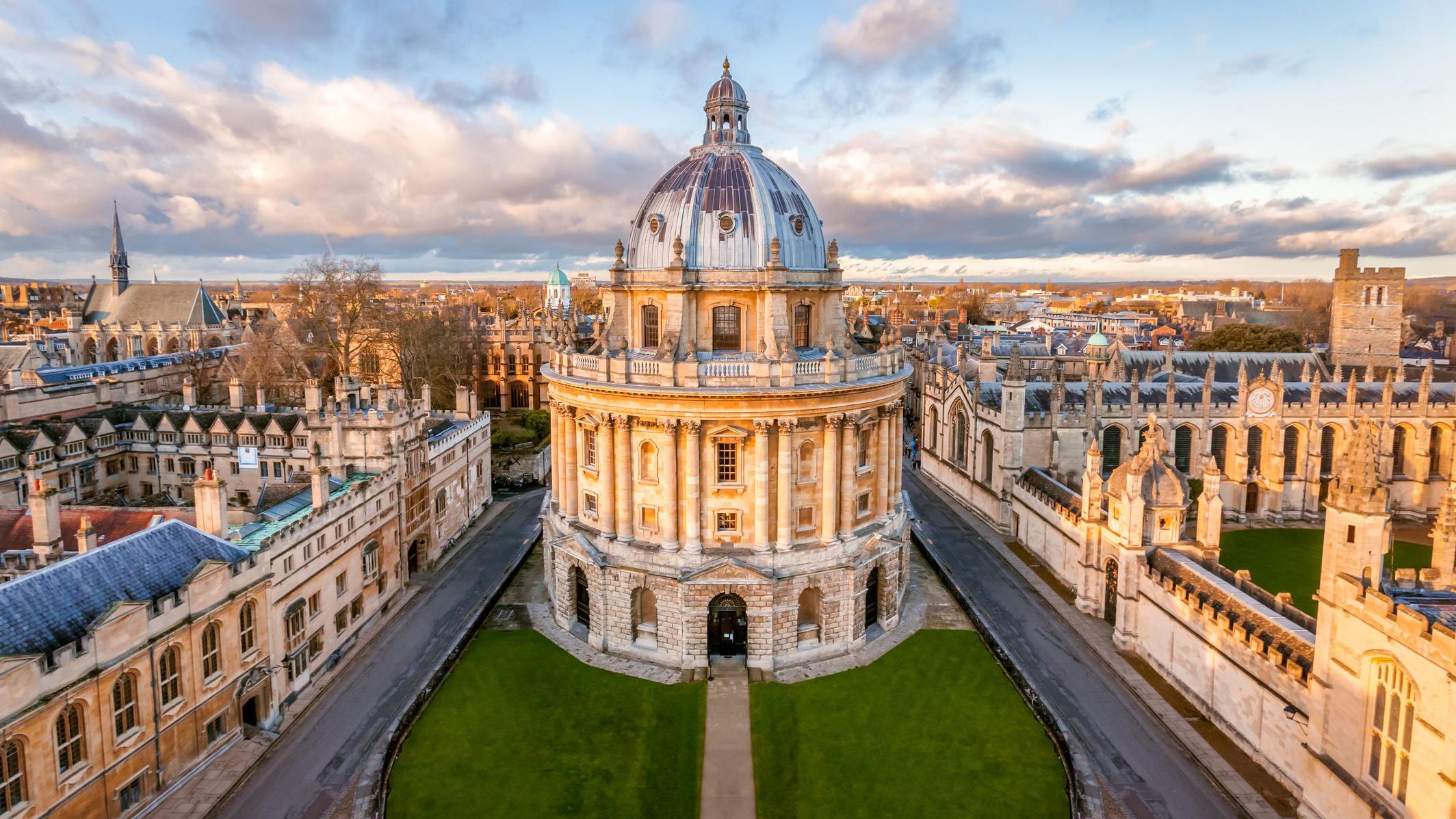
The University of Oxford is the oldest university in the English-speaking world and a global symbol of academic excellence, groundbreaking research, and intellectual prestige. Established before 1096, Oxford has shaped leaders, Nobel laureates, and innovators, from Stephen Hawking to Malala Yousafzai.
This definitive guide explores:
-
Oxford’s ancient history and evolution
-
Its unique collegiate system and academic structure
-
World-changing research and discoveries
-
Notable alumni, prime ministers, and Nobel winners
-
The admissions process and student life
-
Why Oxford remains #1 in global rankings
By the end, you’ll understand why Oxford is more than a university—it’s a beacon of knowledge and influence.
1. The History of Oxford: From Medieval Roots to Modern Excellence
Oxford’s exact founding date is unclear, but teaching existed as early as 1096, making it older than the Aztec Empire.
Key Historical Milestones:
-
1167: Rapid expansion after King Henry II banned English students from attending the University of Paris.
-
1249: Establishment of University College, the first Oxford college.
-
1605: The Bodleian Library opened, now one of the oldest libraries in Europe.
-
1878: First women admitted to Oxford (Lady Margaret Hall).
-
2020s: Continues to lead in AI, medicine, and humanities research.
Oxford’s motto, “Dominus Illuminatio Mea” (The Lord is my Light), reflects its pursuit of enlightenment.
2. Oxford’s Unique Collegiate System
Unlike most universities, Oxford is a federation of 39 self-governing colleges, each with its own history, traditions, and rivalries.
How the College System Works:
-
Students apply to a specific college (or make an open application).
-
Colleges provide tutorials (personalized 1-on-1 teaching), housing, and dining.
-
Each college has its own library, sports teams, and student societies.
Most Famous Oxford Colleges:
-
Christ Church (Produced 13 British Prime Ministers)
-
Balliol College (Known for politics and debate)
-
Magdalen College (Iconic deer park and choir)
-
St John’s College (Wealthiest, with a £600M endowment)
This system fosters close mentorship and intellectual debate, a hallmark of Oxford education.
3. World-Leading Academic Programs
Oxford offers 250+ undergraduate and 350+ postgraduate programs across four divisions:
Top-Ranked Oxford Disciplines:
-
Humanities (#1 globally for English, History, Philosophy)
-
Medical Sciences (Pioneered the COVID-19 AstraZeneca vaccine)
-
Social Sciences (#1 in Politics, Economics, Law)
-
Mathematical & Physical Sciences (Einstein’s visiting university)
Unique Oxford Degrees:
-
PPE (Philosophy, Politics, Economics) – Studied by 30+ world leaders.
-
Chemistry (Nobel-rich department)
-
Computer Science & AI (Home of the “Oxford Internet Institute”)
4. Oxford’s Groundbreaking Research & Innovations
Oxford is a research powerhouse, contributing to Nobel Prizes, life-saving vaccines, and AI breakthroughs.
Notable Oxford Discoveries:
-
Penicillin (Howard Florey, Oxford scientist)
-
The Oxford English Dictionary (First published in 1884)
-
Black Hole Theory (Stephen Hawking studied here)
-
AstraZeneca COVID-19 Vaccine (Developed at Oxford’s Jenner Institute)
-
First synthetic human genome (2023 breakthrough)
Oxford researchers have won 72 Nobel Prizes, more than any other UK institution.
5. Legendary Alumni & Faculty
Oxford’s alumni network includes kings, scientists, billionaires, and cultural icons.
Famous Oxford Alumni:
-
27 British Prime Ministers (Boris Johnson, Margaret Thatcher)
-
Stephen Hawking (Theoretical Physicist)
-
J.R.R. Tolkien (Author of The Lord of the Rings)
-
Malala Yousafzai (Youngest Nobel Laureate)
-
Bill Clinton (Former U.S. President)
Notable Faculty Members:
-
Sir Roger Penrose (Nobel Prize in Physics)
-
Peter Higgs (Higgs Boson discoverer)
-
Amartya Sen (Nobel Prize in Economics)
6. Oxford’s Competitive Admissions & Student Life
Oxford’s acceptance rate is ~17%, making it one of the most selective universities.
Admissions Process:
-
Entrance Exams (e.g., LNAT for Law, PAT for Physics)
-
Written Submissions (Essays, academic records)
-
Interviews (Famous for challenging questions)
Student Life Highlights:
-
Debating at the Oxford Union (World’s most famous debating society)
-
Punting on the River Cherwell (Classic Oxford pastime)
-
Formal Hall Dinners (Black-tie meals in historic dining halls)
7. Why Oxford is Ranked #1 Globally
Oxford consistently tops rankings due to:
✅ Unrivaled academic reputation
✅ Research influence (Most-cited UK university)
✅ Global alumni network
✅ Historic prestige and modern innovation
Oxford’s 2024 Rankings:
-
QS World University Rankings: #1
-
Times Higher Education (THE): #1
-
ARWU (Shanghai Ranking): #7
Conclusion: Why Oxford Remains Unmatched
The University of Oxford is not just a university—it’s an 800-year-old legacy of brilliance. From discovering penicillin to educating Nobel laureates, Oxford continues to shape the world.
Want to Learn More About Oxford?
-
Explore Oxford Admissions
-
Follow Oxford News for latest breakthroughs
Oxford isn’t just history—it’s the future of global education.