University College London
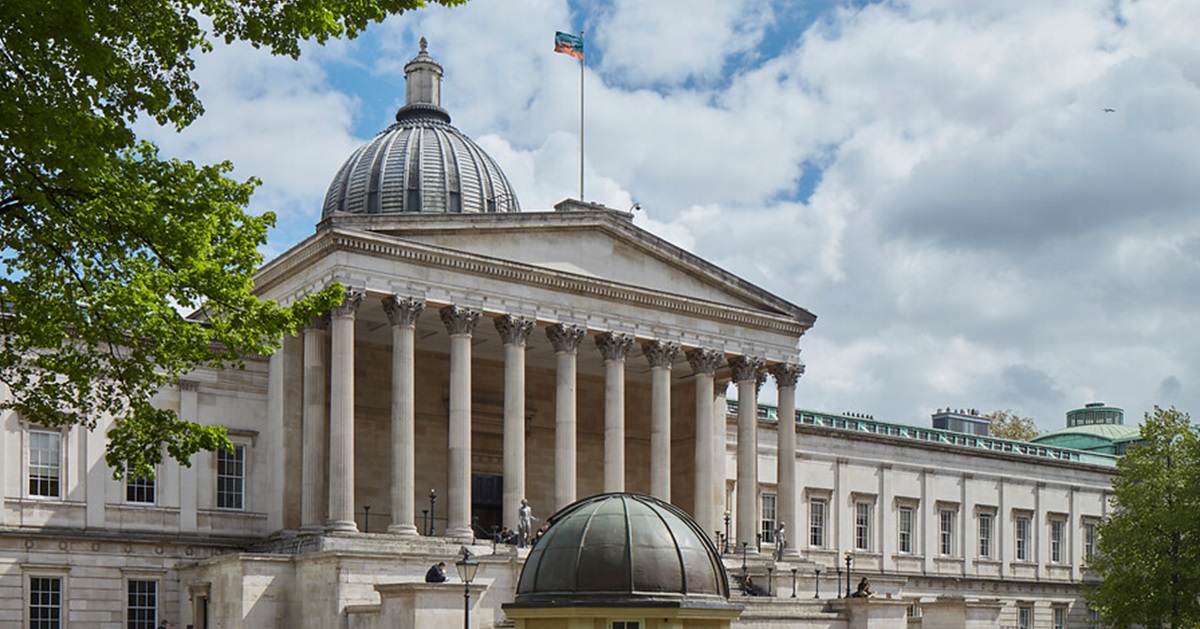
University College London (UCL) is one of the world’s leading research-intensive universities, renowned for its academic excellence, innovative teaching, and global impact. Established in 1826, UCL was the first university in England to admit students regardless of religion, gender, or background, setting a precedent for inclusivity in higher education. Today, it consistently ranks among the top 10 universities worldwide (QS World University Rankings 2024) and is a founding member of the prestigious Russell Group and League of European Research Universities (LERU).
This article explores UCL’s history, academic strengths, research contributions, campus life, and why it remains a top choice for students worldwide.
History and Legacy of UCL
UCL was founded in 1826 as London University, challenging the exclusivity of Oxford and Cambridge by promoting secular and progressive education. Its establishment marked a pivotal moment in British academia, advocating for equal access to education regardless of social class or religious beliefs.
Key historical milestones:
-
1828: Opened as England’s first secular university.
-
1836: Became part of the newly formed University of London.
-
1878: First UK university to admit women on equal terms with men.
-
1907: Officially renamed University College London.
-
2023: Ranked #9 in the QS World University Rankings, cementing its global reputation.
UCL’s motto, “Cuncti adsint meritaeque expectent praemia palmae” (Let all come who by merit deserve the most reward), reflects its commitment to rewarding talent and hard work.
Academic Excellence and World-Class Rankings
UCL is celebrated for its cutting-edge research, interdisciplinary approach, and distinguished faculty, including 30 Nobel laureates among its alumni and staff.
Key Rankings (2024)
-
QS World University Rankings: #9 globally
-
Times Higher Education (THE): #22 worldwide
-
U.S. News & World Report: #12 globally
-
Top in the UK for research strength (REF 2021)
Leading Faculties and Schools
UCL offers 400+ undergraduate and postgraduate programs across:
-
Faculty of Brain Sciences (Ranked #2 globally for Neuroscience)
-
Bartlett Faculty of the Built Environment (Top-ranked for Architecture & Planning)
-
UCL Medical School (Among the best in Europe)
-
Faculty of Engineering Sciences (Pioneering AI, Robotics, and Tech innovations)
-
UCL School of Management (Top 10 in Europe for Business)
Its interdisciplinary approach encourages collaboration across fields, fostering breakthroughs in AI, climate science, medicine, and social policy.
Groundbreaking Research and Innovation
UCL is a global research powerhouse, contributing to advancements that shape society. Some notable achievements include:
1. Medical and Scientific Breakthroughs
-
Discovery of hormones (Ernest Starling, UCL)
-
Development of modern anesthesia
-
CRISPR gene-editing advancements
-
Pioneering work on Alzheimer’s and Parkinson’s disease
2. Technology and Engineering
-
Contributions to 5G and wireless communications
-
AI research at UCL’s DeepMind collaboration
-
Leading space science missions with NASA and ESA
3. Social Sciences and Humanities
-
Influential work in economics, law, and political science
-
UCL Institute of Education (IOE): Ranked #1 globally for Education (QS 2024)
Campus and Student Life in the Heart of London
UCL’s Bloomsbury campus is located in central London, providing students with unparalleled access to cultural, professional, and social opportunities.
Key Campus Highlights
-
Main Library: Over 2 million volumes, including rare historical texts
-
UCL East: A new campus in Stratford, focusing on AI, sustainability, and health
-
Student Union (UCLU): 300+ clubs and societies, from debating to fintech startups
-
Global Networking: Partnerships with Yale, Sorbonne, and Peking University
Student Diversity
-
48% international students from 150+ countries
-
Strong alumni network, including Mahatma Gandhi, Alexander Graham Bell, and Coldplay’s Chris Martin
Why Choose UCL?
-
World-Leading Reputation – Consistently ranked among the top 10 universities globally.
-
Research-Led Teaching – Learn from Nobel Prize winners and industry leaders.
-
Prime London Location – Access to internships at Google, BBC, and leading hospitals.
-
Career Success – 94% of graduates employed or in further study (DLHE 2022).
-
Inclusive and Diverse Community – A welcoming environment for students from all backgrounds.
How to Apply to UCL
Undergraduate Admissions
-
Entry Requirements: AAA-AAA (A-Levels), 38+ (IB), or equivalent
-
Personal Statement: Strong emphasis on academic passion and extracurriculars
-
Deadlines: 15 October (Medicine), 31 January (Most courses)
Postgraduate Admissions
-
Requirements: Upper second-class degree (2:1) or equivalent
-
IELTS/TOEFL: Proof of English proficiency (if applicable)
-
Application Portal: Via UCAS (UG) or UCL’s online system (PG)
Conclusion: UCL – Shaping the Future of Education
University College London remains at the forefront of global education, combining historic prestige with cutting-edge innovation. Whether you’re pursuing medicine, engineering, business, or the arts, UCL offers an unmatched academic experience in one of the world’s most dynamic cities.
For ambitious students seeking excellence, opportunity, and impact, UCL is not just a university—it’s a launchpad for global success.